
The Pittsburgh Steelers’ 2024 season ended not with a fight but with a surrender. A 30-6 wild-card loss to the Houston Texans at Acrisure Stadium — in front of 67,297 home fans — wasn’t a close game that slipped away. It was a systematic dismantling. Pittsburgh managed just 175 total yards of offense, the kind of output you’d expect from a team playing without a functional game plan. The result deepens one of the NFL’s most glaring organizational contradictions: Mike Tomlin has now posted 18 consecutive non-losing seasons, an NFL record for a single head coach that NFL.com confirmed is the longest such streak to begin a coaching career, yet the Steelers haven’t won a postseason game since January 2017. A franchise that prides itself on stability and toughness has now lost seven straight playoff games — and this one wasn’t even competitive.


Want to know what fans are really saying? Check out the Reddit reaction section at the end of this article.
How the Texans Built an Unstoppable Defensive Fortress
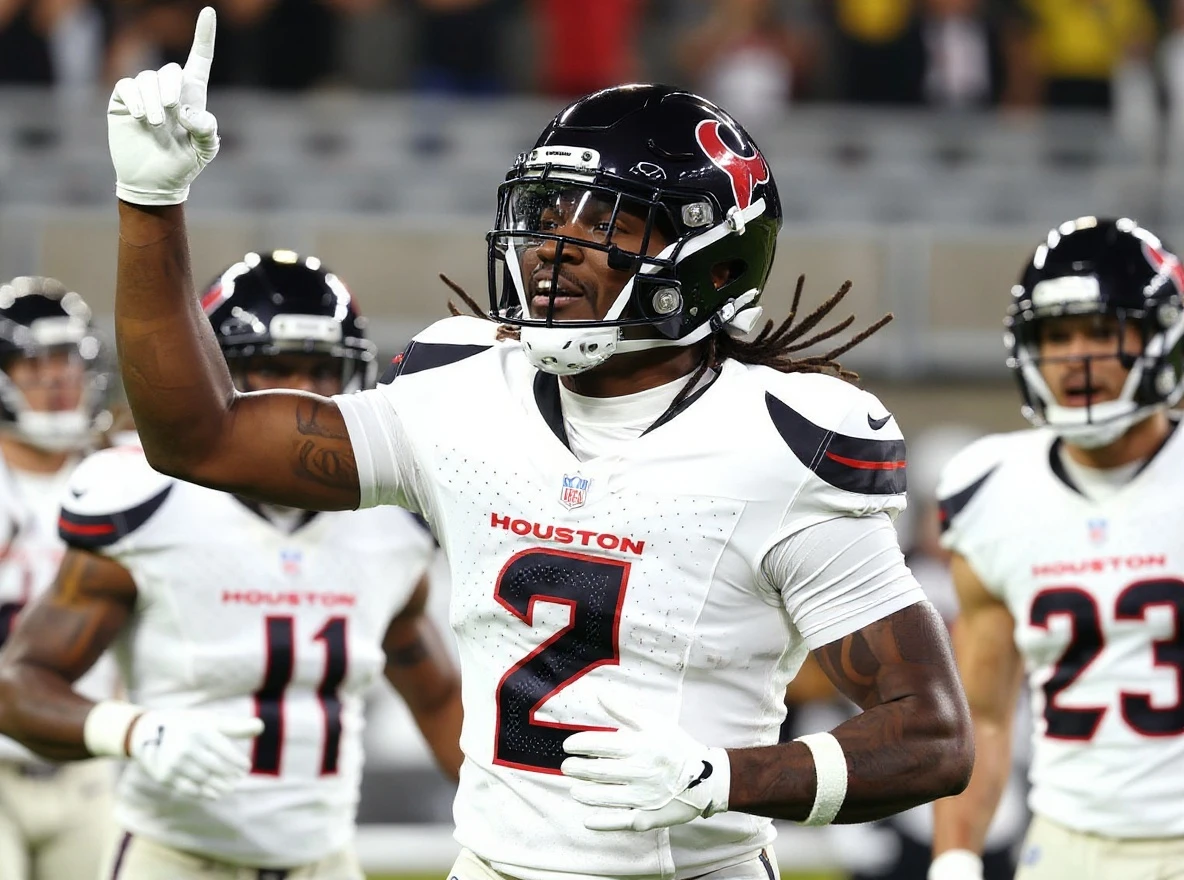
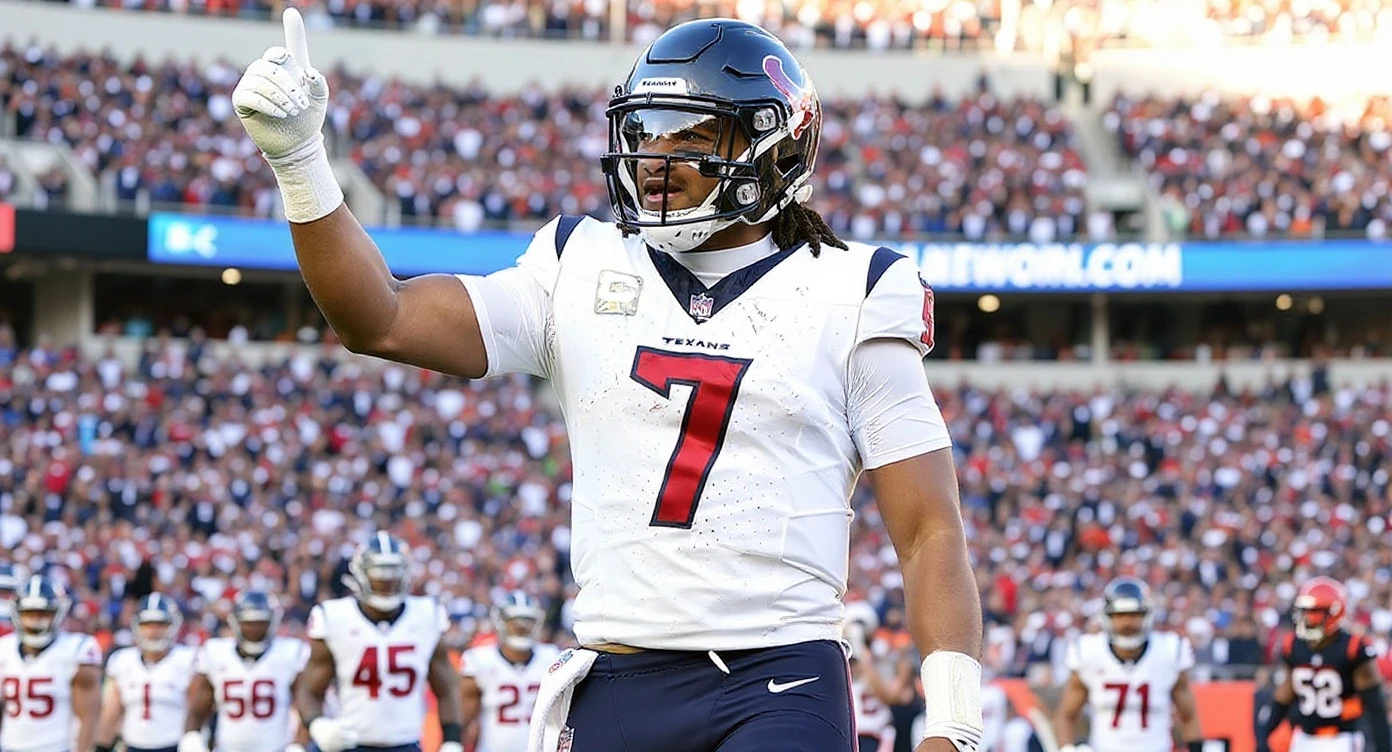
Houston’s defense entered the wild-card round ranked first in the NFL in points allowed, and it played like it. The Texans suffocated Pittsburgh’s offense from the opening drive, forcing turnovers and generating consistent pressure that left the Steelers’ skill players invisible. Safety Calen Bullock’s pick-six was the game’s defining moment — a momentum-killing blow that silenced Acrisure Stadium and effectively ended any realistic comeback window before halftime. On the other side of the ball, Houston’s offense was efficient and explosive. Rookie running back Woody Marks rushed for 112 yards and a touchdown on the ground, while wide receiver Christian Kirk torched Pittsburgh’s secondary for 8 receptions, 144 yards, and a score. Quarterback C.J. Stroud finished with 250 passing yards and a touchdown, managing the game with the composure of a veteran despite being just two years into his NFL career. The Texans totaled 408 yards of offense and never trailed. The win also marked a franchise milestone — Houston’s first-ever road playoff victory — and came on the back of an 8-game winning streak to close the regular season, their third consecutive AFC South title, and a roster that looks increasingly built for deep postseason runs.
Aaron Rodgers’ Silent Struggle Against Elite Defense
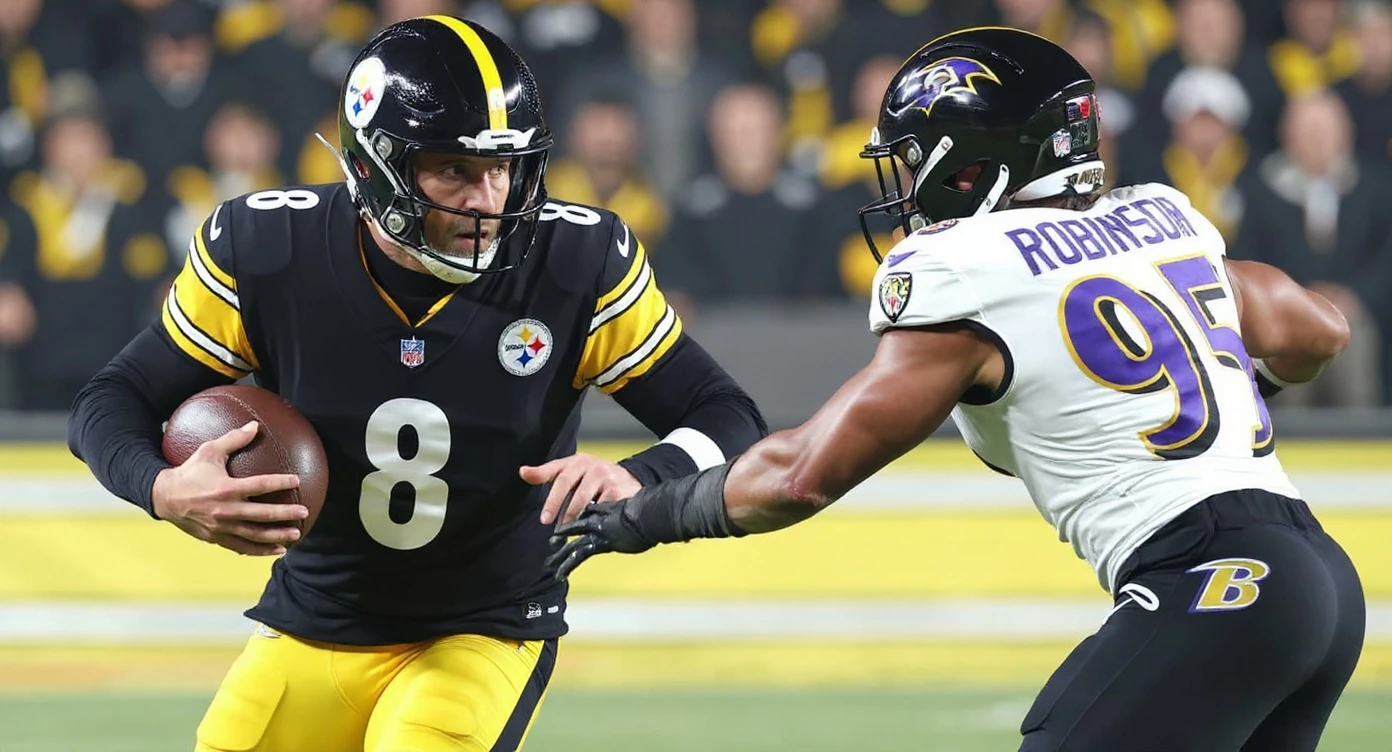
The name on the back of the jersey was Aaron Rodgers, but the performance bore no resemblance to the four-time MVP who spent 18 seasons in Green Bay. Rodgers completed just 17 of 33 passes for 146 yards, threw no touchdowns, and had his lone interception returned for a score. His passer rating for the game was a dismal 29.2. Houston’s pass rush — led by Will Anderson Jr., who recorded a sack and consistently disrupted Rodgers’ timing — never allowed him to settle into a rhythm. Rodgers finished the regular season with 18 touchdowns and 9 interceptions across 12 starts, numbers that suggested a functional if unspectacular season. But the postseason exposed the limits of what he could provide against a defense operating at full capacity. The Steelers’ offensive line, which ranked in the bottom third of the league in pass-block win rate during the regular season , gave Rodgers no time to work through progressions. The result was a performance that raised immediate questions about whether Pittsburgh’s quarterback situation — regardless of who lines up under center — is capable of carrying this team in January.
The Fourth-Quarter Collapse That Sealed Pittsburgh’s Fate
The scoreboard told a misleading story through three quarters. Pittsburgh trailed 7-6 at halftime, a margin that kept the home crowd engaged and gave the Steelers a theoretical path back into the game. Then the fourth quarter arrived. Houston outscored Pittsburgh 23-0 in the final 15 minutes, turning a competitive game into a rout that exposed every structural weakness on Pittsburgh’s roster. The Steelers’ defense, already operating without meaningful offensive support, ran out of answers against a Texans offense that had been building momentum all afternoon. That fourth-quarter collapse wasn’t a fluke — it was the inevitable result of a team that couldn’t sustain drives, couldn’t convert on third down (Pittsburgh went 2-for-11 on third-down conversions), and couldn’t generate the kind of explosive plays needed to keep pace with a team playing its best football. When the final whistle sounded, the 24-point margin felt accurate.
Seven Straight Playoff Losses: The Steelers’ Deepening Crisis
Seven consecutive playoff losses. That’s the number Pittsburgh now carries into the offseason — a streak that began after their 18-16 divisional-round win over the Kansas City Chiefs in January 2017, as NPR reported at the time, and has grown uglier with each passing January. The Steelers have been outscored by a combined 80-plus points across their last three postseason appearances alone . This isn’t a streak built on close losses or bad bounces. It’s a pattern of being outclassed by better-prepared opponents in games where execution, depth, and scheme matter most. Houston’s first-ever road playoff win came at Pittsburgh’s expense — a symbolic transfer of power in the AFC that underscores just how much the conference’s balance has shifted. The Steelers must now confront an offseason defined by hard decisions: the future of Rodgers at quarterback, the direction of an offensive line that couldn’t protect him, and whether the coaching staff has the answers to reverse a postseason decline that has now stretched nearly a decade.

What This Loss Means for Pittsburgh’s Future
The Steelers’ regular-season record under Tomlin is genuinely remarkable. Eighteen consecutive non-losing seasons is a standard no other active head coach has matched, and it reflects real organizational discipline, consistent draft evaluation, and a culture that keeps Pittsburgh competitive year after year. But that accomplishment has become increasingly difficult to celebrate when measured against what happens every January. The gap between regular-season performance and postseason results isn’t a minor statistical anomaly — it’s a defining characteristic of this era of Steelers football. Pittsburgh has won 10 or more games in multiple seasons during this stretch without advancing past the divisional round. The question the organization can no longer defer is whether the same structure, philosophy, and personnel approach that produces consistent 9-to-11-win regular seasons is fundamentally incompatible with what it takes to win in the postseason. That’s not a question about one bad game. It’s a question about identity.
Rodgers’ performance in this game adds a specific and uncomfortable dimension to Pittsburgh’s broader quarterback problem. At 41 years old, Rodgers is no longer the player who won back-to-back MVP awards in 2020 and 2021, as Sky Sports noted when he became a four-time winner, and expecting him to carry a flawed roster against an elite defense was always an optimistic projection. But the degree to which Houston neutralized him — holding him to a 29.2 passer rating, generating consistent pressure, and eliminating any downfield threat — suggests the issue extends beyond age or individual execution. The Steelers’ supporting cast, their offensive line’s inability to create clean pockets, and the play-calling’s failure to manufacture easy completions all contributed to a performance that looked broken from the first series. Whether Pittsburgh pursues a younger quarterback option in the 2025 NFL Draft, explores free agency, or attempts another run with Rodgers, the organization cannot enter next season without a credible answer at the position. One playoff loss doesn’t define a franchise. Seven in a row demands a structural response.